

Introduction
Garbage trucks play a vital role in waste management systems, collecting and transporting waste from homes, businesses, and public spaces to disposal sites. Over the years, advancements in technology have revolutionized the design and functionality of garbage trucks, making them more efficient, environmentally friendly, and safer to operate. In this article, we will explore the evolution of garbage truck technology, highlighting the innovations that have shaped the industry and discussing the future trends that will further enhance waste management systems.
Early Garbage Collection Methods
Before the invention of specialized garbage trucks, waste disposal was a challenging and often unsanitary task. In Flatbed truck loading procedures , waste was typically collected by hand or by horse-drawn carts, with workers manually loading garbage onto the vehicles for transport to disposal sites. These methods were not only labor-intensive but also posed significant health risks to workers and the public due to the lack of proper hygiene and sanitation practices.
The introduction of motorized vehicles in the early 20th century revolutionized waste collection practices, leading to the development of the first mechanized garbage trucks. These early models featured open beds or containers mounted on the back of trucks, allowing for more efficient collection and transportation of waste. However, these vehicles were still limited in terms of capacity, speed, and safety features, prompting further advancements in garbage truck technology.
Innovations in Garbage Truck Design
As urban populations grew and waste generation increased, the demand for more advanced garbage truck technology became apparent. In response to these challenges, engineers and manufacturers began developing specialized vehicles with enhanced features and capabilities. One of the key innovations in garbage truck design was the introduction of compaction systems, which allowed for more efficient waste collection by compacting garbage to maximize load capacity.
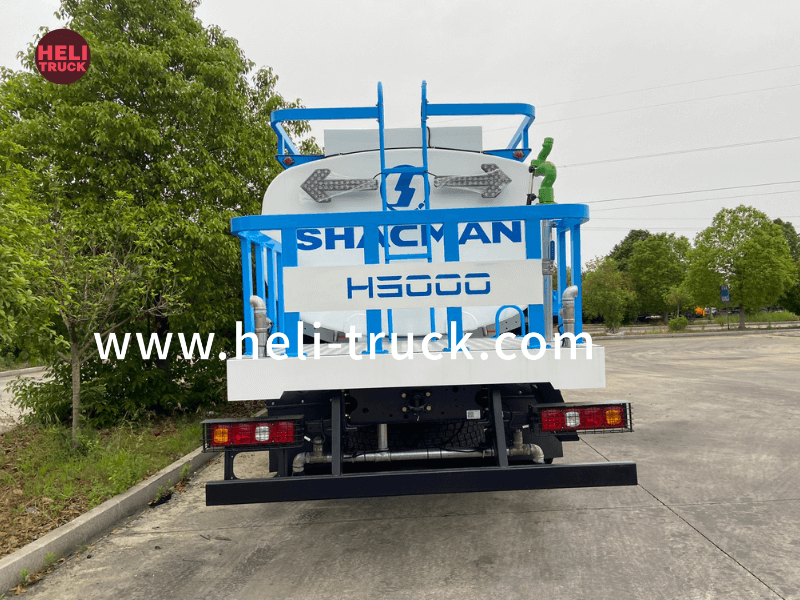
The incorporation of hydraulic systems also revolutionized garbage truck technology, enabling operators to lift and empty waste containers with ease. Automated side loaders and rear loaders became popular choices for residential waste collection, reducing the need for manual labor and improving overall efficiency. Additionally, the introduction of recycling and waste separation requirements led to the development of dual-purpose trucks capable of collecting and sorting different types of waste materials.
Environmental Considerations and Sustainability
In recent years, there has been a growing emphasis on sustainability and environmental protection in waste management practices. Garbage truck technology has evolved to address these concerns, with manufacturers incorporating eco-friendly features and alternative fuel options into their designs. Electric-powered garbage trucks have gained popularity as a cleaner and quieter alternative to traditional diesel vehicles, reducing emissions and noise pollution in urban areas.
Furthermore, the use of advanced telematics systems and route optimization software has helped to minimize fuel consumption and reduce carbon footprint. These technologies enable operators to track vehicle performance, optimize collection routes, and monitor waste generation patterns, leading to more efficient and sustainable waste management practices. By leveraging data analytics and real-time monitoring, garbage truck operators can make informed decisions to improve operational efficiency and reduce environmental impact.
Safety and Ergonomics
Another important aspect of garbage truck technology is safety and ergonomics. Modern garbage trucks are equipped with a range of safety features to protect operators, pedestrians, and other road users. Rearview cameras, proximity sensors, and collision avoidance systems help prevent accidents and improve visibility during collection operations. Additionally, ergonomic design elements such as adjustable seating, climate control, and noise reduction features contribute to a more comfortable and productive work environment for operators.
Innovations in safety technology have also focused on reducing the risk of musculoskeletal injuries and repetitive strain conditions among waste collection workers. Automated lifting and emptying systems, as well as remote-controlled operation capabilities, help minimize physical strain and improve overall job satisfaction. By prioritizing safety and ergonomics in garbage truck design, manufacturers are not only protecting workers but also enhancing operational efficiency and productivity.
Future Trends and Emerging Technologies
Looking ahead, the future of garbage truck technology is poised to undergo further advancements and innovations. One of the key trends shaping the industry is the integration of autonomous driving technology in waste collection vehicles. Self-driving garbage trucks have the potential to improve safety, efficiency, and reliability by eliminating human error and optimizing route planning and navigation.
Furthermore, the adoption of artificial intelligence (AI) and machine learning algorithms is expected to enhance waste sorting and recycling processes, leading to higher recovery rates and reduced landfill waste. Smart sensors and Internet of Things (IoT) devices will enable real-time monitoring of waste containers, allowing for more efficient collection scheduling and resource allocation. These technologies will not only streamline waste management operations but also contribute to a more sustainable and circular economy.
In conclusion, the evolution of garbage truck technology has transformed the waste management industry, making it more efficient, sustainable, and safe. From early mechanized vehicles to modern electric-powered trucks, the advancements in design, functionality, and environmental considerations have revolutionized how waste is collected and disposed of. By embracing future trends and emerging technologies, garbage truck manufacturers and operators can continue to improve operational efficiency, reduce environmental impact, and enhance the overall quality of waste management systems.